

Sleepmaxxing: which parts work, which are risky, which are theater
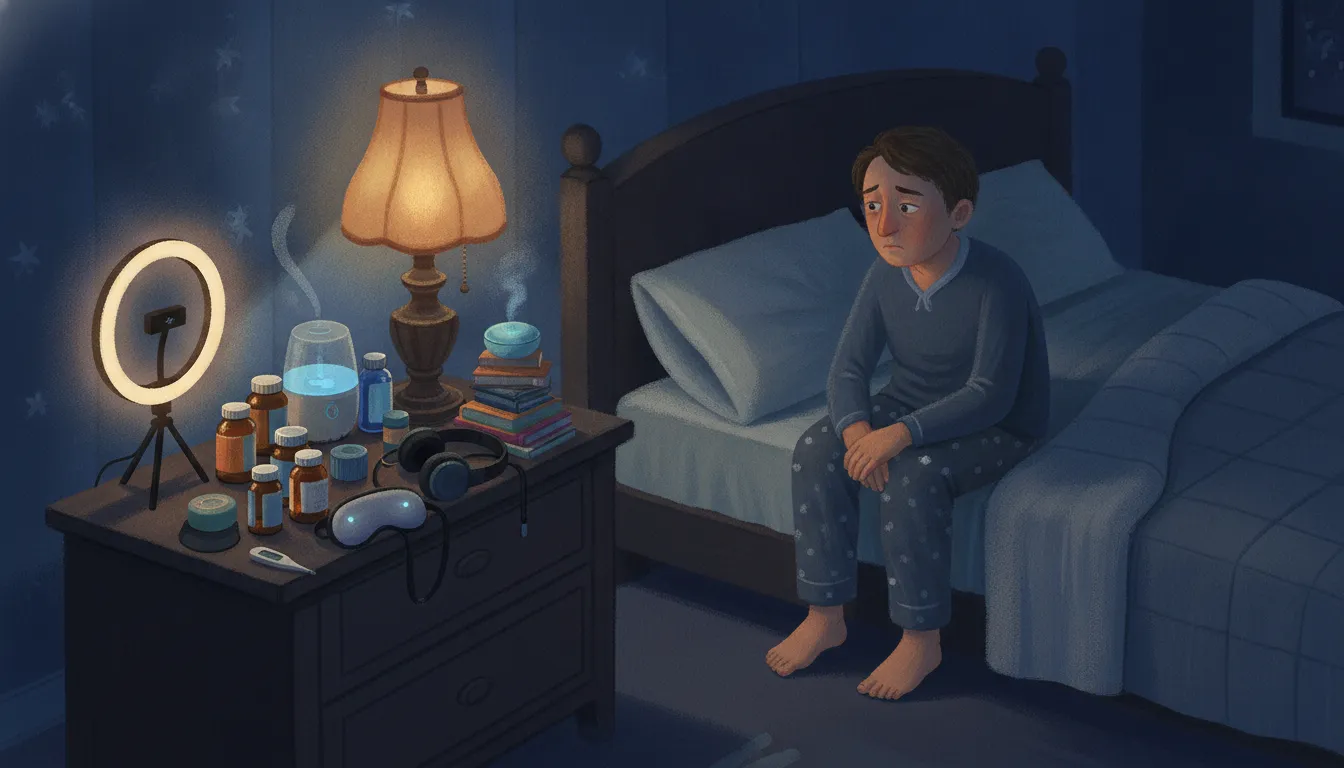
Sleepmaxxing is the practice of optimizing every variable around your sleep at once: supplements, wearables, mouth tape, cooling gear, and a bedtime routine with more steps than a skincare regimen. The name borrows from internet slang, the sentiment is reasonable, and the execution ranges from well-evidenced to actively hazardous.
We spent a while going through what’s behind each piece. Here’s the sorted version, with a longer post on each.
The things the evidence backs
A warm bath 1 to 2 hours before bed. The highest evidence-to-attention ratio in the entire trend. A meta-analysis of 17 studies found water at 40 to 42.5°C for as little as ten minutes, in that specific window, shortened the time it took to fall asleep. The timing is the part people get wrong; straight out of the bath you’re warmer, and the benefit comes from the rebound cooling afterward. The full post.
A cool bedroom. The same mechanism from the other direction. Falling asleep depends on core body temperature dropping, and a warm room flattens that decline. This is the cheapest lever in the whole toolkit.
Progressive muscle relaxation. Not fashionable, invented in the 1920s, and backed by 31 randomized trials covering 2,277 adults, with a larger pooled sleep-quality effect than bedtime music. The full post.
A weighted blanket, depending on who you are. A trial of 120 patients using a lighter blanket as the control, which is a better comparison than most sleep research manages, found a large advantage on insomnia severity. The population is the fine print: psychiatric outpatients with clinically significant insomnia, a group with more room to improve than most. The full post.
The things that probably do a little
Magnesium. Three randomized trials in 151 older adults, pooled sleep-onset latency 17.36 minutes shorter than placebo. All three at moderate-to-high risk of bias, evidence rated low to very low, and glycinate’s reputation over other forms rests on absorption chemistry rather than sleep trials. Cheap and low-risk, so reasonable to try. Not the reason you’ll sleep better. The full post.
The sleepy girl mocktail. Tart cherry juice significantly reduced minutes awake after sleep onset in a crossover trial, though not sleep latency, total sleep time, or efficiency, in fifteen people. The combination has never been tested. What’s probably doing the work is having a consistent wind-down ritual that isn’t a screen. The full post.
Binaural beats. A meta-analysis found a medium effect, but on cognition, anxiety, and pain rather than sleep. The one EEG sleep study found they didn’t help people fall asleep and did improve sleep maintenance. They also require headphones to work at all, which most people won’t wear all night. The full post.
Cognitive shuffling. The most-covered technique of 2026, and the evidence is a single unpublished 2016 conference poster by the researcher who sells the app. The mechanism underneath it, imagery distraction, has proper trials. The full post.
The things to be careful with
Mouth taping. A 2025 systematic review of 10 studies and 213 patients found only two showing significant improvement, and flagged a risk of asphyxiation in people with nasal obstruction. The reviewers describe “a potentially serious risk of harm for individuals indiscriminately practicing this trend.” The people drawn to it are often the people who should be screened for sleep apnea first. The full post.
Sleep trackers. Not dangerous, but the numbers are shakier than they look. Tested against polysomnography, seven consumer devices detected sleep well and detected wake poorly, with specificity as low as 0.18, and their sleep-stage assessments were inconsistent. Sleep clinicians have published on patients whose obsession with tracker data became its own disorder. The full post.
The problem with the whole idea
Here’s the tension at the center of sleepmaxxing, and it’s not a small one.
A network meta-analysis of 241 trials and 31,452 people examined which components of insomnia therapy do the work. Sleep restriction, stimulus control, and cognitive restructuring helped. Relaxation was the one component the authors flagged as potentially counterproductive (Furukawa 2024). Their proposed explanation is that relaxing at bedtime encourages you to lie in bed awake longer, working against the things that help.
Now add the tracker finding. Insomnia runs substantially on anxiety about sleep, and a nightly score is a machine for producing anxiety about sleep.
Put those together and the failure mode of sleepmaxxing comes into focus. Trying hard to sleep is the one thing guaranteed not to work. A routine with eleven steps, a score to beat, and a stack of supplements to blame turns sleep into a performance you can fail at, and people who are anxious about failing at sleep sleep badly. Sleep researchers call this sleep effort, and reducing it is a treatment goal in its own right.
What we’d actually do
Pick two or three things and let the rest go. A consistent wake time, a cool room, a warm bath at eight, and no caffeine inside six hours of bed (the caffeine cutoff calculator turns a bedtime into the full window) covers most of the well-evidenced ground for free. Add one thing you like the ritual of, whether that’s the mocktail or a blanket, and stop there.
If the reason you’re awake is a mind still running the day back, none of the hardware reaches it. That’s what a wandering story is for, and it asks nothing of you: Get Sleepy is 1,100+ episodes, free with ads.
And for chronic insomnia, CBT-I is the first-line treatment. Nothing in the sleepmaxxing toolkit has come close to matching it, which is the least viral sentence in this post and the most useful one.
Sources: Furukawa et al. 2024, plus the studies cited in each linked post. The relaxation techniques, ranked by their evidence. This is general information, not medical advice — persistent insomnia is worth taking to a doctor.
Common questions
- What is sleepmaxxing?
- It is the practice of optimizing every variable around your sleep at once: supplements, wearables, mouth tape, cooling gear, and a bedtime routine with more steps than a skincare regimen. The name borrows from internet slang and the sentiment behind it is reasonable. The execution ranges from well-evidenced to actively hazardous.
- Which sleepmaxxing habits are worth doing?
- The best-evidenced ones cost nothing: a warm bath 1 to 2 hours before bed, a cool bedroom, and progressive muscle relaxation, which has 31 randomized trials in 2,277 adults behind it. Magnesium and the sleepy girl mocktail probably do a little. For chronic insomnia, CBT-I is the first-line treatment, and nothing in the sleepmaxxing toolkit has come close to matching it.
- Can sleepmaxxing make your sleep worse?
- Two parts of the toolkit carry real downsides. Mouth taping was flagged in a 2025 review for a risk of asphyxiation in people whose noses are blocked, and a nightly tracker score feeds the anxiety about sleep that insomnia runs on. The wider risk is turning sleep into a performance you can fail at, because people who are anxious about failing at sleep sleep badly.
- Are sleep trackers accurate?
- The numbers are shakier than they look. Tested against sleep-lab recordings, seven consumer devices detected sleep well and detected wake poorly, and their sleep-stage assessments were inconsistent. Sleep clinicians have published on patients whose obsession with tracker data became a disorder of its own.