
The Charwoman's Daughter
Narrated by Elizabeth Grace
Mary Makebelieve dreams of a bigger life from a small rented room in The Charwoman's Daughter, James Stephens' gentle 1912 novel of old Dublin.
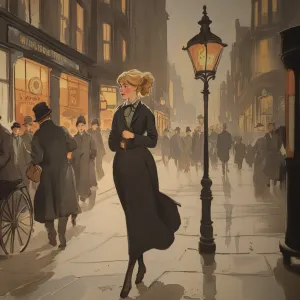
Mary and her mother share one room above a shop, and it is a happy room, even though money is always short. Mrs. Makebelieve goes out each day to clean the houses of Dublin's wealthy families, and while she scrubs floors and dusts shelves, Mary waits at home and dreams. She watches the street below, imagines grand lives for the well-dressed strangers who pass, and pictures a future far removed from their narrow, careful world.
That quiet routine changes when a young policeman notices Mary on her walks and begins to court her. His attention opens a door onto a different kind of hope, one Mary has never quite let herself feel before. As the courtship grows, mother and daughter must weigh what they want against what they can keep, and Mary starts to see her own daydreams, and her mother's tired patience, in a new light.
Edwardian Dublin, and a coming-of-age story more concerned with small kindnesses and quiet longing than with plot twists. The writing keeps a light, whimsical touch even while looking closely at poverty, watching it without pity and finding hope without irony. It suits anyone who enjoys early Irish literary fiction, quiet character studies, or novels that find wonder in modest, everyday rooms.
Mary's daydreams unfold at a pace that quiets the mind, soft and slow in Elizabeth Grace's telling. There's no rush in it, only the small, steady rhythm of a mother and daughter's days, easy to sink into as your eyes grow heavy.